
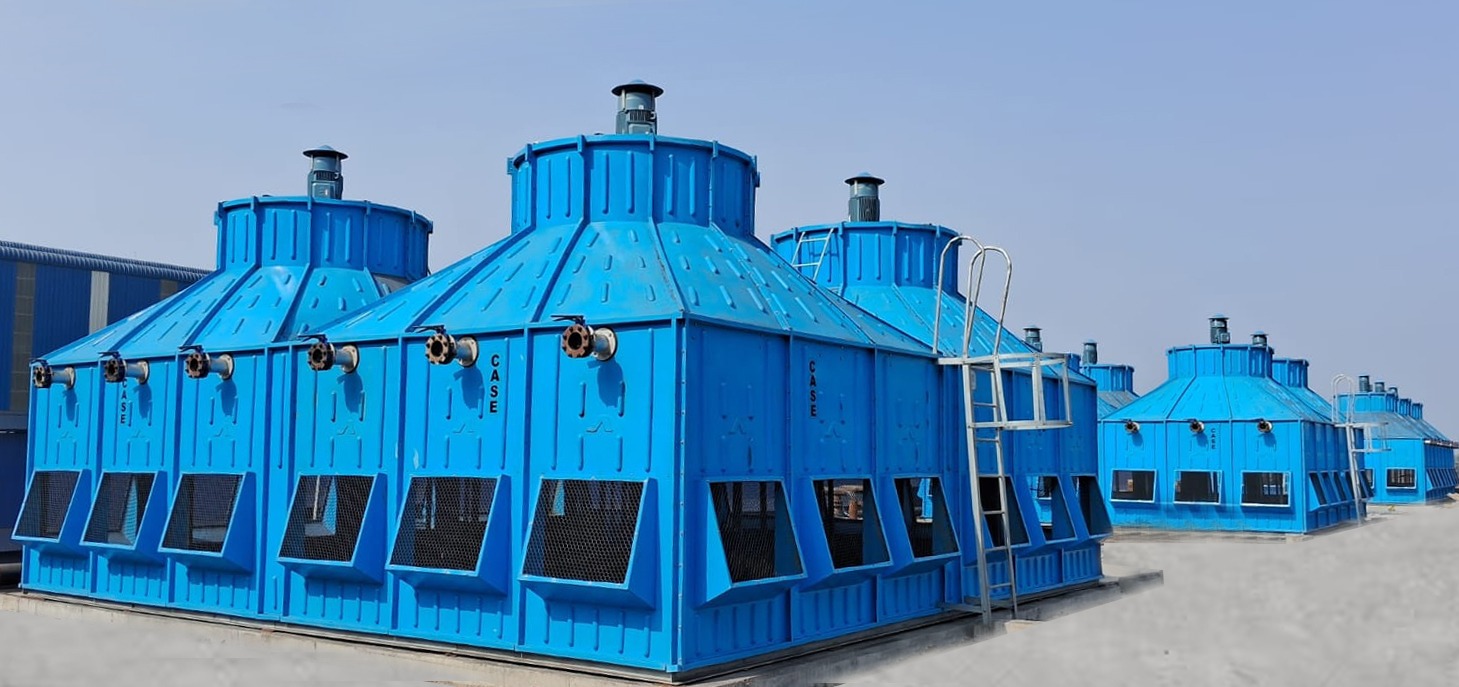
Cooling towers play a critical role in maintaining the efficiency and safety of HVAC and industrial cooling systems. Yet, they are also one of the most neglected components in many facilities. Proper cooling tower cleaning services are essential for preventing contamination, reducing energy costs, and extending the lifespan of the entire system.
If you operate a commercial building, industrial plant, or district cooling facility, this guide explains why professional cleaning is non-negotiable — and how it directly impacts your performance and operational costs.
What Are Cooling Tower Cleaning Services?
Cooling tower cleaning services involve a specialized process of removing scale, algae, sediment, biological growth, and debris from the cooling tower basin, fill media, nozzles, drift eliminators, and other internal components.
These services follow industry standards such as CTI, ASTM, and AHRI to ensure:
- Improved cooling efficiency
- Reduced microbial contamination
- Enhanced water flow
- Lower operational costs
- Better safety and compliance
Professional service providers use high-pressure cleaning, chemical treatments, biocides, and mechanical brushing to thoroughly clean and restore the tower.
Why Cooling Tower Cleaning Services Are Essential
1. Prevent Legionella and Harmful Bacteria
Cooling towers are prone to biological growth because of warm water and moisture. Without regular cleaning, bacteria like Legionella can grow and spread through the building’s ventilation system.
Professional cooling tower cleaning services help eliminate:
- Algae
- Biofilm
- Fungi
- Harmful bacteria
This protects occupants, employees, and customers from serious health risks.
2. Improve System Efficiency and Cooling Performance
Over time, scale, sludge, and mineral deposits accumulate in cooling towers. This buildup restricts water flow and reduces heat transfer efficiency.
A properly cleaned cooling tower ensures:
- Lower energy consumption
- Better heat rejection
- Faster and stable cooling performance
- Reduced strain on chillers and equipment
Clean systems often operate 10%–30% more efficiently than neglected ones.
3. Reduce Operational Costs
Cooling tower contamination forces the system to work harder, leading to higher energy bills. Scale buildup just 1 mm thick can increase energy usage by up to 7%.
Regular cooling tower cleaning services help reduce costs by:
- Minimizing energy waste
- Preventing expensive repairs
- Avoiding emergency downtime
- Extending equipment lifespan
Investment in cleaning directly saves money in long-term operation.
4. Extend the Life of Your Cooling Tower
Contaminants like scale, rust, and biofilm accelerate corrosion inside the cooling tower.
Professional cleaning helps:
- Protect metal surfaces
- Maintain fill media
- Prevent corrosion-related damage
- Extend the lifespan of pumps, nozzles, drift eliminators, and fans
This protects your capital investment and delays costly replacements.
5. Maintain Compliance With Health and Safety Standards
Industries such as hospitals, hotels, manufacturing, and district cooling must follow strict hygiene and operational safety guidelines. Cooling tower cleaning services help ensure compliance with:
- Health & safety regulations
- Environmental rules
- Facility maintenance standards
- Insurance requirements
A clean cooling tower reduces the risk of legal liabilities and shutdowns.
What’s Included in Cooling Tower Cleaning Services?
Professional providers typically offer a comprehensive cleaning package, including:
✔ Basin Cleaning
Removal of sludge, sediment, and debris.
✔ Fill Media Cleaning or Replacement
Eliminates scale and biological growth within the fill.
✔ Nozzle and Drift Eliminator Cleaning
Ensures proper water distribution and prevents water droplets from escaping.
✔ Chemical Water Treatment
Biocides, corrosion inhibitors, and descalers improve water quality.
✔ Mechanical Cleaning & High-Pressure Washing
Targets hard-to-reach areas inside the tower.
✔ Inspection & Reporting
Detailed assessment of tower condition and recommendations for improvement.
Together, these services restore the performance and safety of your cooling tower.
How Often Should You Clean Your Cooling Tower?
The ideal frequency depends on usage, load, environment, and industry. However, experts generally recommend:
- Quarterly deep cleaning for commercial and industrial buildings
- Monthly inspections during peak summer months
- Bi-annual chemical cleaning for heavily used systems
Facilities in dusty, humid, or industrial environments may require more frequent cleaning.
Signs Your Cooling Tower Needs Immediate Cleaning
Watch for the following warning signs:
- Reduced cooling efficiency
- Visible algae or slime
- Unpleasant odors
- Increased energy bills
- Clogged nozzles
- Poor water distribution
- Rust or corrosion
- High bacterial counts in water test reports
If any of these symptoms appear, schedule cooling tower cleaning services immediately.
Benefits of Hiring Professional Cooling Tower Cleaning Experts
Choosing an expert service provider brings multiple advantages:
- Certified and trained technicians
- Compliance with CTI & ASTM standards
- Safe cleaning procedures for high-risk environments
- Accurate diagnosis and performance testing
- Long-term service contracts for year-round maintenance
Professionals ensure that cleaning is thorough, safe, and effective — protecting both equipment and people.
Conclusion
Cooling towers are critical assets for commercial and industrial facilities. Without proper cleaning, they can become energy-wasting, bacteria-spreading, high-risk components. Professional cooling tower cleaning services ensure optimal performance, reduce operational costs, and protect your system from contamination and breakdown.
By investing in regular inspections, chemical treatments, and deep cleaning, you safeguard your cooling infrastructure and extend its lifespan — ensuring your facility operates efficiently, safely, and reliably all year round.