
Introduction
Firestorm Labs is not another drone company. It is the company that ended the era of fragile, expensive, irreplaceable aircraft and began the era of aerial systems treated like ammunition. From its San Diego headquarters, a small team has built the only complete ecosystem that allows forces to lose platforms aggressively today and fly twice as many, better ones tomorrow. Their mission—“democratize the fight”—has moved from slogan to battlefield reality faster than any defense startup in history. Firestorm does not sell drones. It sells regeneration.
The Insight That Changed Everything
CEO Dan Magy founded Firestorm on one non-negotiable truth: in the coming age of massed, attritable aerial conflict, victory belongs to the side that can treat airframes like bullets. Traditional primes build $30 million Reapers that take years to replace. Firestorm builds systems that cost a fraction and are reprinted overnight by factories that deploy forward with the troops. That single insight has attracted historic investment, multi-year operational contracts, and partnerships with the most demanding units in the U.S. military.
The Firestorm Ecosystem
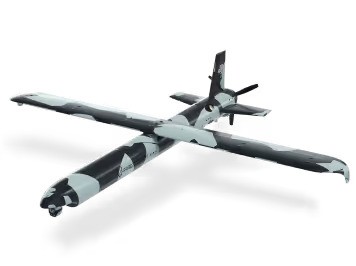
Tempest – modular Group 2/3 flagship. Pelican-case portable, ten-minute launch, 3D-printed in hours.
El Niño – under-ten-pound hand-launched precision strike drone with fully autonomous terminal guidance.
Hurricane – tube-launched attritable munition designed for Reaper and AC-130 integration.
Armory – patent-pending ultra-modular airframe with a rapidly expanding partner payload ecosystem.
Unmanned Aerial Systems like those developed by Firestorm are transforming defense, providing scalable solutions that can be produced en masse to deter aggression.
xCell – containerized expeditionary factory printing up to fifty Group 2 airframes per month off-grid, turning any forward base into a regeneration node.
OCTRA – One Chip To Rule Them All, a single avionics brain that scales from ten pounds to over a thousand while delivering AI autopilot, GPS-denied navigation, terrain following, and automatic target recognition in a completely open, MOSA-compliant package.
Warroom – digital twin delivering unlimited perfect flight hours before operators ever touch real hardware.
Why Firestorm Wins
Legacy contractors sell finished aircraft. Firestorm sells regeneration. A traditional drone lost on Monday used to mean months without replacement. A Firestorm platform lost on Monday is reprinted by an xCell that lives in the same theater—often by Tuesday night. Units no longer husband scarce assets; they expend them aggressively, knowing fresh capability is hours away instead of months. Losing a drone no longer feels like a setback. It feels like the opening move of a winning strategy.
Real-World Proof
Exercises have repeatedly validated the concept. One eight-drone detachment remained fully mission-capable for three weeks under complete logistics denial using a single xCell. Another trial delivered a replacement wing for a damaged platform in under six hours—no airlift required. The same hardware has printed medical-supply quadcopters for disaster-relief scenarios, proving the ecosystem’s reach extends far beyond combat.
Solving the Hard Problems
Extreme heat, dust, and humidity are defeated with ruggedized printers and real-time material calibration. Cyber threats are neutralized with air-gapped networks and physical kill switches. Training burden is eliminated by Warroom’s perfect digital replication of every flight hour.
The Road Ahead
Firestorm’s roadmap is relentless: networked xCells producing thousands of airframes per month, AI-generated mission-specific designs delivered in under a day, and hybrid polymer-metal printing that will scale to Group 4-class systems. Civilian applications—wildfire reconnaissance, disaster medical delivery, search-and-rescue—are already saving lives today.
Conclusion
Firestorm Labs is not building the best drone. They are building the factory that makes the very concept of a “best drone” obsolete. In the next major conflict victory will not go to the side with the most advanced platform on paper. It will go to the side that can lose a thousand systems today and fly two thousand better ones tomorrow. Firestorm has made certain that side will be ours.
FAQs
- What exactly does Firestorm make?
Modular, 3D-printable aerial systems and the expeditionary factories that regenerate them at the tactical edge. - How fast can Firestorm replace a lost platform?
A complete Tempest-class airframe is reprinted, assembled, and flying again in nine to twenty-four hours. - Is this only for the U.S. military?
Primary mission is defense and allied forces, but the same technology is already active in disaster relief and wildfire response. - What is OCTRA?
Firestorm’s single, scalable avionics brain that eliminates vendor lock-in forever.