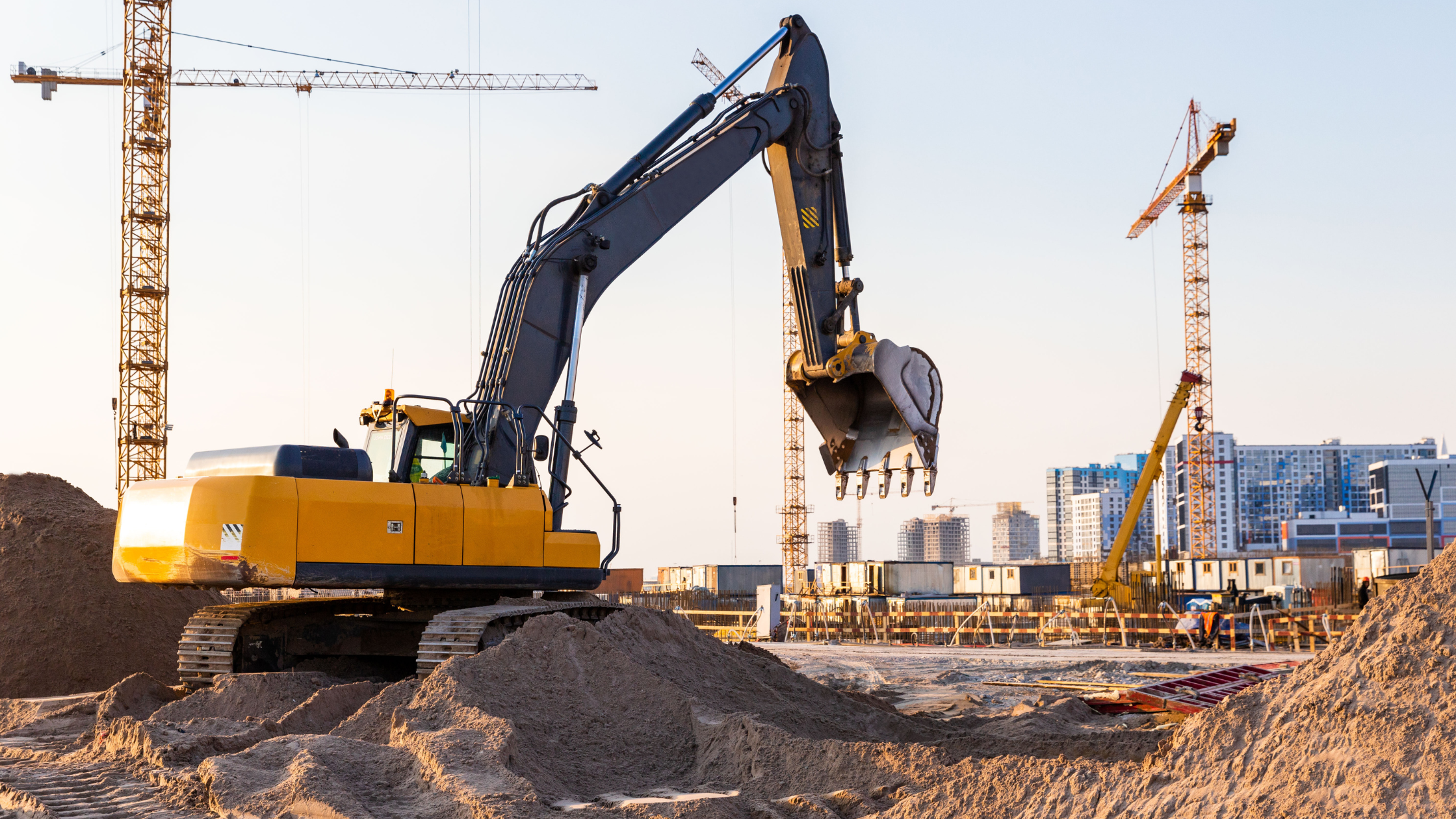
Managing heavy equipment in construction is a critical task that involves careful attention to detail, precision, and the ability to handle complex logistics. From excavation machinery to cranes and loaders, managing such equipment can be both challenging and time-consuming. As construction projects become more complex and deadlines become tighter, the traditional methods of equipment management such as manual logging or relying on spreadsheets are no longer sufficient.
Clue’s construction equipment management software, a smarter and more efficient solution to help construction companies manage their heavy equipment, improve productivity, reduce costs, and ensure timely project completion. In this article, we’ll explore how construction software helps optimize heavy equipment management and why it’s essential for modern construction operations.
The Complexities of Managing Heavy Equipment
Heavy equipment is one of the largest and most expensive assets for any construction company. Proper management of these assets is crucial for ensuring their longevity, maximizing utilization, and avoiding costly delays. Managing heavy equipment involves keeping track of various factors, including:
- Equipment usage and location
- Maintenance schedules and service history
- Operator logs and usage data
- Compliance with regulations
- Downtime and repair tracking
- Fleet utilization and productivity
Traditionally, managing these factors involved manual record-keeping, which could lead to inefficiencies, missed maintenance schedules, and even equipment misuse. Without proper tracking and a system to manage these elements, construction companies run the risk of equipment downtime, costly repairs, and ultimately, project delays.
How Equipment Management Software Improves Operations
Real-Time Tracking and Location Monitoring
One of the main benefits of equipment management software is its ability to provide real-time tracking of your fleet. GPS-enabled equipment tracking allows managers to know the exact location of each piece of machinery at all times. This is especially useful on large construction sites where equipment is often spread across multiple areas or even multiple projects. By having real-time visibility into the location of equipment, managers can ensure that machinery is being used efficiently and not sitting idle for too long.
In addition to tracking location,equipment management software can also track usage patterns. This allows fleet managers to see which pieces of equipment are being used most often, and which are underused, helping to make more informed decisions about equipment allocation. Furthermore, this data can be used to generate reports and analyze trends, which helps construction companies better plan for future equipment needs.
Proactive Maintenance and Reduced Downtime
One of the biggest challenges in managing heavy equipment is ensuring that it remains in good working condition and is properly maintained. With equipment management software, fleet managers can schedule maintenance proactively. The software tracks the number of operating hours on each piece of equipment, and based on this data, it generates maintenance reminders. For example, if an excavator reaches 500 operating hours, the system will alert the manager that it’s time for an oil change or another service task.
This proactive approach helps avoid unplanned downtime and extends the life of the equipment. By keeping equipment well-maintained, construction companies can reduce the risk of expensive repairs, improve the reliability of their machinery, and keep projects on schedule. Additionally,equipment management software can store historical maintenance records, making it easy for fleet managers to track the service history of each asset and identify recurring issues that may need attention.
Efficient Fleet Utilization
Efficiently using the fleet is essential for reducing operational costs and ensuring that equipment is available when needed.Equipment management software allows managers to track the performance of each piece of equipment and assess its utilization rates. By analyzing this data, managers can identify which equipment is underutilized and which may need to be reallocated to other projects.
Underutilized equipment can be a drain on company resources, and with the insights provided by management software, construction companies can optimize the use of their fleet. This might mean renting out idle equipment or reallocating resources to more urgent projects. Optimizing fleet usage ensures that equipment doesn’t sit idle for too long, reducing the cost per use and improving project efficiency.
Comprehensive Reporting and Analytics
Equipment management software provides detailed reports on key metrics such as usage, maintenance, costs, and downtime. These reports can help construction managers and business owners make data-driven decisions about their fleet. For example, they can evaluate the cost-effectiveness of equipment, determine the return on investment (ROI) for each asset, and identify opportunities for cost reduction.
With the ability to pull data in real-time, these reports offer valuable insights that help companies make strategic decisions about equipment purchases, leasing, or decommissioning. Additionally, managers can use the analytics to improve fleet planning, allocate resources more efficiently, and forecast future equipment needs.
Simplified Compliance and Documentation
Compliance with safety regulations and industry standards is a critical aspect of managing construction equipment. Construction equipment management software helps ensure that equipment meets safety and regulatory requirements by keeping track of inspections, certifications, and necessary compliance documentation. The software can also provide alerts for required inspections or tests, helping to avoid potential fines or legal issues.
Additionally,equipment management software simplifies record-keeping by digitizing all maintenance and compliance documents. Instead of manually sorting through paper files, fleet managers can access all necessary documentation directly from the software, saving time and reducing the risk of lost or misplaced records.
Cost Control and Budgeting
Managing costs is always a priority for construction businesses, and equipment management software plays a key role in budget control. The software tracks maintenance costs, fuel usage, repair expenses, and other operational costs associated with heavy equipment. This gives construction companies a clear view of how much they’re spending on their equipment and allows for more accurate budgeting.
By having detailed visibility into costs, companies can identify areas where they can reduce expenses. For example, they can spot trends in repair costs for specific equipment, allowing them to decide whether it’s more cost-effective to repair the equipment or replace it with a newer model. With equipment management software, companies can ensure that their equipment remains a productive asset while keeping costs in check.
The Benefits of Equipment Management Software
- Time and Cost Savings: By automating tracking, scheduling, and reporting,equipment management software saves valuable time and helps reduce the likelihood of costly errors.
- Improved Productivity: With real-time data and analytics, managers can ensure equipment is being used efficiently, minimizing downtime and maximizing productivity on the job site.
- Data-Driven Decision Making: Detailed reports and analytics empower managers to make informed decisions about equipment, resource allocation, and maintenance schedules, improving overall operations.
- Enhanced Safety: By ensuring that equipment is properly maintained and compliant with safety standards, equipment management software contributes to a safer work environment, reducing the risk of accidents and costly disruptions.
Conclusion
Managing heavy equipment for construction projects is no longer a challenge with the advent of construction equipment management software. This innovative solution helps streamline operations, reduce costs, and ensure that equipment remains in top condition. With features like real-time tracking, predictive maintenance alerts, and fleet utilization analytics, businesses can optimize their resources and ensure their equipment is used efficiently.
Adopting equipment management software is a smart move for any construction company looking to enhance productivity, reduce downtime, and stay ahead of the competition. In today’s fast-paced construction industry, the smarter way to manage heavy equipment is through technology ensuring reliability, safety, and profitability.