
Cooling systems have come a long way from simple on and off machines that only cared about lowering the temperature. Today, they are smarter, more efficient, and more responsive to how people actually live and work. Technology is reshaping how cooling systems operate, how they are maintained, and how they interact with users. These changes are not just about comfort anymore. They are about energy savings, sustainability, and long-term reliability.
One of the most noticeable shifts in modern cooling systems is the rise of smart controls. Traditional thermostats required manual adjustment and offered limited accuracy. Smart thermostats now learn user behavior, track daily routines, and adjust temperatures automatically. They can detect when a home is empty and reduce cooling to save energy. Over time, these systems optimize performance without constant human input, creating a balance between comfort and efficiency.
Connectivity plays a major role in this transformation. Many cooling systems are now connected to mobile apps and cloud platforms. Homeowners can control temperature settings remotely, monitor usage patterns, and receive alerts if something goes wrong. This level of access allows users to make informed decisions instead of reacting to problems after they become serious. It also means less guesswork and more control over indoor environments.
Energy efficiency is another area where technology is making a strong impact. Modern cooling systems use advanced compressors, variable-speed motors, and improved refrigerants to reduce energy consumption. Unlike older systems that operate at full capacity or not at all, newer models adjust their output based on demand. This reduces wear and tear while maintaining consistent temperatures. Over time, this approach lowers energy bills and extends system lifespan.
Sensors are also changing how cooling systems respond to their surroundings. Temperature sensors, humidity sensors, and air quality monitors work together to create a more comfortable indoor environment. Instead of only measuring heat, systems can now account for moisture levels and airborne particles. This results in better comfort, especially in humid climates, and contributes to healthier indoor air.
Artificial intelligence is beginning to influence cooling technology as well. AI-driven systems analyze usage data to predict future needs. They can anticipate peak usage times and adjust performance accordingly. Some systems even identify patterns that indicate potential faults, allowing issues to be addressed before a breakdown occurs. This predictive approach reduces unexpected failures and costly repairs.
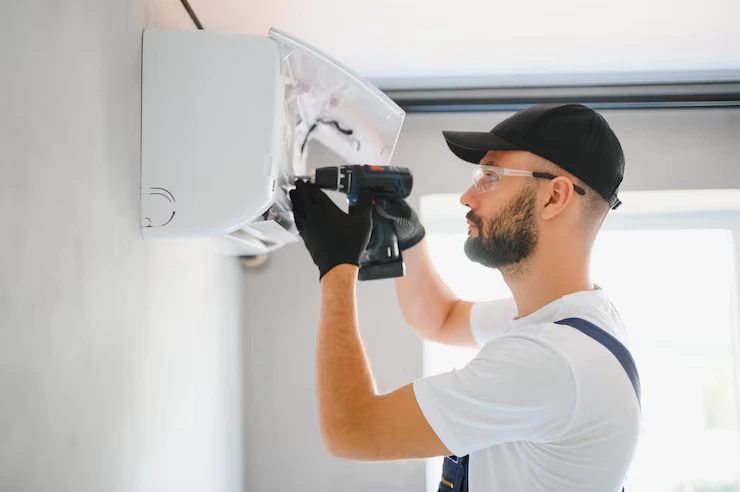
Maintenance has also become more efficient thanks to technological advancements. Diagnostics are now built directly into many cooling systems. These diagnostics provide real-time feedback on performance, efficiency, and component health. When combined with professional support, this data helps technicians perform targeted maintenance rather than relying on trial and error. In many cases, this reduces downtime and ensures systems operate at their best year-round. This is where a reliable aircon service becomes essential, as professionals can interpret system data and apply precise solutions.
Sustainability is another driving force behind modern cooling innovation. Governments and manufacturers are focusing on reducing environmental impact through improved design and materials. New refrigerants are being developed to minimize harm to the ozone layer and reduce greenhouse gas emissions. Cooling systems are also being designed to work seamlessly with renewable energy sources, such as solar power. These advancements help reduce the overall carbon footprint without sacrificing performance.
Noise reduction is an often overlooked benefit of modern cooling technology. Older systems were known for loud operation and disruptive cycling. Today’s systems use sound-dampening materials and smoother motor operation to run quietly. This improvement enhances comfort in homes, offices, and commercial spaces, especially where noise levels matter.
Another significant change is modular system design. Modern cooling systems are easier to upgrade and customize. Components can often be replaced or improved without overhauling the entire system. This flexibility allows users to adapt their cooling setup as needs change, whether due to renovations, increased occupancy, or new efficiency standards.
Technology is also influencing how cooling systems are installed. Advanced design software helps professionals calculate load requirements with greater accuracy. This ensures systems are neither underpowered nor oversized. Proper sizing improves efficiency, reduces energy waste, and enhances overall comfort. Installation precision plays a major role in how well a system performs over time.
Commercial cooling systems are seeing similar advancements. Large buildings now use centralized systems that adjust cooling based on occupancy levels and usage patterns. Sensors detect which areas are in use and direct cooling only where needed. This targeted approach significantly reduces energy consumption in offices, malls, and industrial facilities.
User experience has improved alongside technical performance. Interfaces are now more intuitive, with clear displays and simple controls. Even complex systems can be managed easily without technical expertise. This ease of use encourages better system management and reduces the risk of improper settings that waste energy.
As technology continues to evolve, cooling systems are becoming part of a larger smart ecosystem. They integrate with lighting, security, and ventilation systems to create fully automated environments. This integration allows buildings to operate more efficiently and respond dynamically to changing conditions.
The future of cooling technology looks promising. Continued innovation will likely bring even greater efficiency, smarter automation, and stronger environmental benefits. As systems become more advanced, the role of skilled professionals will remain important to ensure proper setup, monitoring, and maintenance.
In conclusion, technology is redefining what modern cooling systems can do. From smart controls and AI-driven diagnostics to sustainability and user-friendly design, these advancements are changing expectations. Cooling is no longer just about lowering temperature. It is about creating comfortable, efficient, and intelligent spaces that adapt to modern lifestyles.