Your wedding day represents one of life’s most cherished milestones, and the dress you choose becomes part of your forever story. Pakistani bridal dresses embody centuries of cultural heritage, masterful craftsmanship, and breathtaking artistry that transforms brides into visions of ethereal beauty. Understanding the nuances of bridal fashion helps you select a gown that reflects your personality while honoring tradition.
The Cultural Significance Behind Bridal Attire
Pakistani wedding dresses carry profound cultural meaning that extends beyond aesthetics. Each element from the color palette to embroidery patterns tells a story rooted in tradition. The bridal ensemble typically consists of multiple components working harmoniously to create a complete look that captivates from every angle.
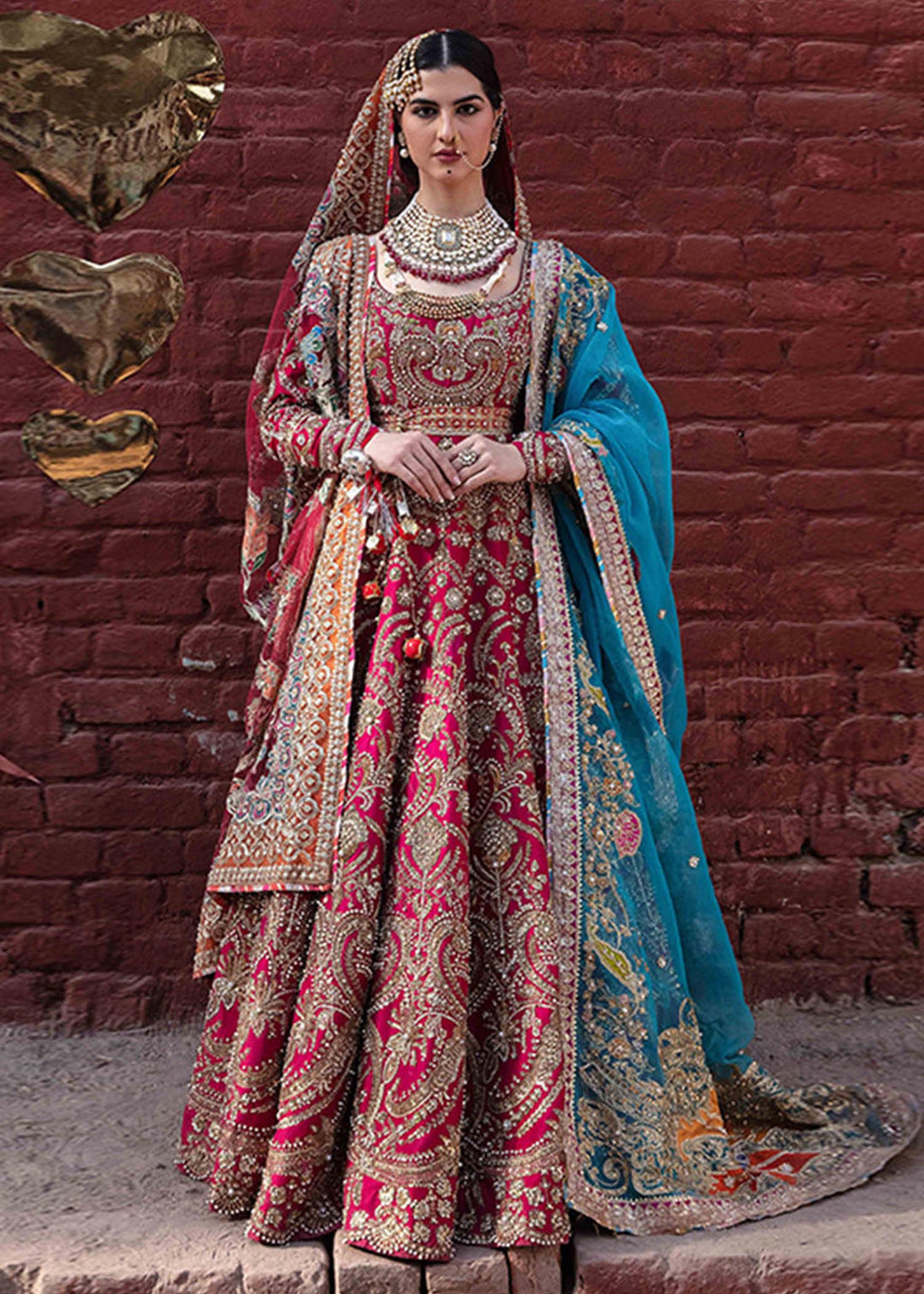
Red remains the quintessential bridal color, symbolizing prosperity, fertility, and new beginnings. However, contemporary brides increasingly embrace variations like deep maroon, crimson, and even burgundy, each shade carrying its own emotional resonance. The shift toward personalization allows modern brides to honor tradition while expressing individual style.
Exploring Traditional Bridal Dress Styles
The Majestic Lehenga
The bridal lehenga stands as the most popular choice among Pakistani brides. This three-piece ensemble includes a heavily embellished skirt, a fitted blouse (choli), and a flowing dupatta. The lehenga’s grandeur lies in its voluminous silhouette and intricate detailing that catches light with every movement.
Master craftsmen spend months creating these masterpieces, employing techniques like zardozi, gota work, and hand embroidery. The skirt often features panels of rich fabric adorned with sequins, crystals, and metallic threadwork that creates stunning visual depth. When selecting a bridal lehenga, consider the weight heavier pieces make powerful statements but require stamina for extended wear.
The Elegant Sharara
Sharara sets offer a perfect blend of tradition and comfort. This style features flared pants paired with a short or long kurta and an ornate dupatta. The sharara’s distinctive silhouette provides easier movement compared to lehengas, making it ideal for brides who want to dance freely during their celebration.
Contemporary designers have reimagined traditional shararas with modern cuts, asymmetrical hemlines, and innovative draping techniques. The versatility of this style allows brides to create looks ranging from regal to contemporary, depending on embellishment choices and styling.
The Classic Gharara
Ghararas hold special significance in Pakistani bridal fashion, particularly in traditional ceremonies. Distinguished by their unique cut fitted from waist to knee, then dramatically flaring below ghararas create a distinctive silhouette. The knee panel typically features heavy embellishment, serving as a focal point of the design.
This traditional wedding outfit experienced a resurgence as brides rediscovered appreciation for heritage styles. Modern interpretations maintain the classic structure while incorporating contemporary elements like digital prints, modern color combinations, and fusion embellishments.
Fabric Choices That Define Luxury
The foundation of any exceptional Pakistani bridal dress lies in fabric selection. Premium materials elevate designs from beautiful to breathtaking:
Pure Silk: The ultimate luxury fabric, silk offers unmatched drape and luster. Its natural sheen enhances embroidery work, making every detail pop. Silk bridal wear feels substantial yet comfortable, perfect for extended celebrations.
Velvet: Winter brides gravitate toward velvet’s rich texture and warmth. This fabric holds embroidery beautifully and creates an opulent appearance. Deep jewel tones in velvet emerald, sapphire, ruby create show-stopping bridal ensembles.
Organza and Net: These lighter fabrics work beautifully for layering and creating volume without excessive weight. Organza provides structure while maintaining an ethereal quality, ideal for dupattas and overlays.
Jamawar and Brocade: These traditional fabrics feature woven patterns that add dimension even before embellishment. Their inherent richness makes them perfect for brides seeking heritage aesthetics.
Embellishment Techniques That Capture Hearts
The true artistry of Pakistani bridal dresses reveals itself through embellishment:
Zardozi Work: This ancient technique involves metallic threads creating raised, three-dimensional patterns. Zardozi embroidery requires exceptional skill and patience, with artisans meticulously placing each stitch by hand.
Dabka and Sitara: These traditional embellishments use metallic wires and sequins to create texture and sparkle. The interplay between matte dabka and shimmering sitara adds complexity to bridal designs.
Stone and Crystal Work: Contemporary bridal fashion incorporates Swarovski crystals, pearls, and precious stones. Strategic placement creates focal points and enhances the gown’s overall impact.
Thread Embroidery: Silk thread work in contrasting or complementary colors adds depth and artistic detail. This technique allows for intricate floral motifs, paisley patterns, and geometric designs.
Color Trends Reshaping Bridal Fashion
While red maintains its dominance in wedding dresses Pakistani style, color preferences continue evolving:
Jewel Tones: Emerald green, royal blue, and deep purple offer bold alternatives that photograph beautifully and suit various skin tones.
Pastels with Heavy Work: Blush pink, mint green, and powder blue provide softer options that work particularly well for daytime ceremonies or modern brides seeking understated elegance.
Metallic Shades: Gold, rose gold, and champagne create luminous effects that work beautifully under both natural and artificial lighting.
Traditional Reds with Twists: Ombre effects, color blocking, and dual-tone combinations reinvent classic red bridal wear for contemporary tastes.
Accessorizing Your Bridal Ensemble
A Pakistani bridal dress remains incomplete without carefully selected accessories:
Jewelry: Heavy gold or kundan jewelry sets traditionally complement bridal attire. Modern brides might choose lighter pieces for comfort while maintaining visual impact.
Footwear: Embellished khussa or heels in matching colors complete the look. Comfort matters you’ll wear these for hours.
Dupatta Styling: The dupatta draping style dramatically affects your overall appearance. Options range from traditional head coverage to contemporary shoulder draping.
Clutch or Potli: A matching clutch holds essentials while adding to your ensemble’s cohesiveness.
Finding Your Perfect Bridal Dress
Begin your search months before your wedding date. Quality bridal wear requires time for customization, fittings, and alterations. Consider these factors:
Research designers whose aesthetic aligns with your vision. Review their portfolios, read client testimonials, and understand their process timeline.
Schedule fittings during times when you feel fresh and can focus. Bring trusted advisors whose opinions you value, but ultimately trust your instincts.
Consider your wedding venue and season. Heavy velvets suit winter weddings, while lighter fabrics work better for summer celebrations.
Preserving Your Investment
Pakistani bridal dresses represent significant emotional and financial investments. Proper care ensures they remain treasured heirlooms:
Professional cleaning immediately after your wedding prevents stains from setting. Store in breathable garment bags away from direct sunlight. Climate-controlled environments prevent fabric deterioration and color fading.
Your Journey to Bridal Perfection
Selecting Pakistani bridal dresses marks an exciting chapter in your wedding journey. Whether you choose traditional elegance or contemporary fusion, the perfect dress celebrates your unique story while honoring cultural heritage.
Take time exploring options, trust skilled designers, and most importantly, choose something that makes you feel absolutely radiant. Your wedding day dress should reflect the beautiful bride you are confident, elegant, and ready to begin your forever.
Read More: techu.blog