
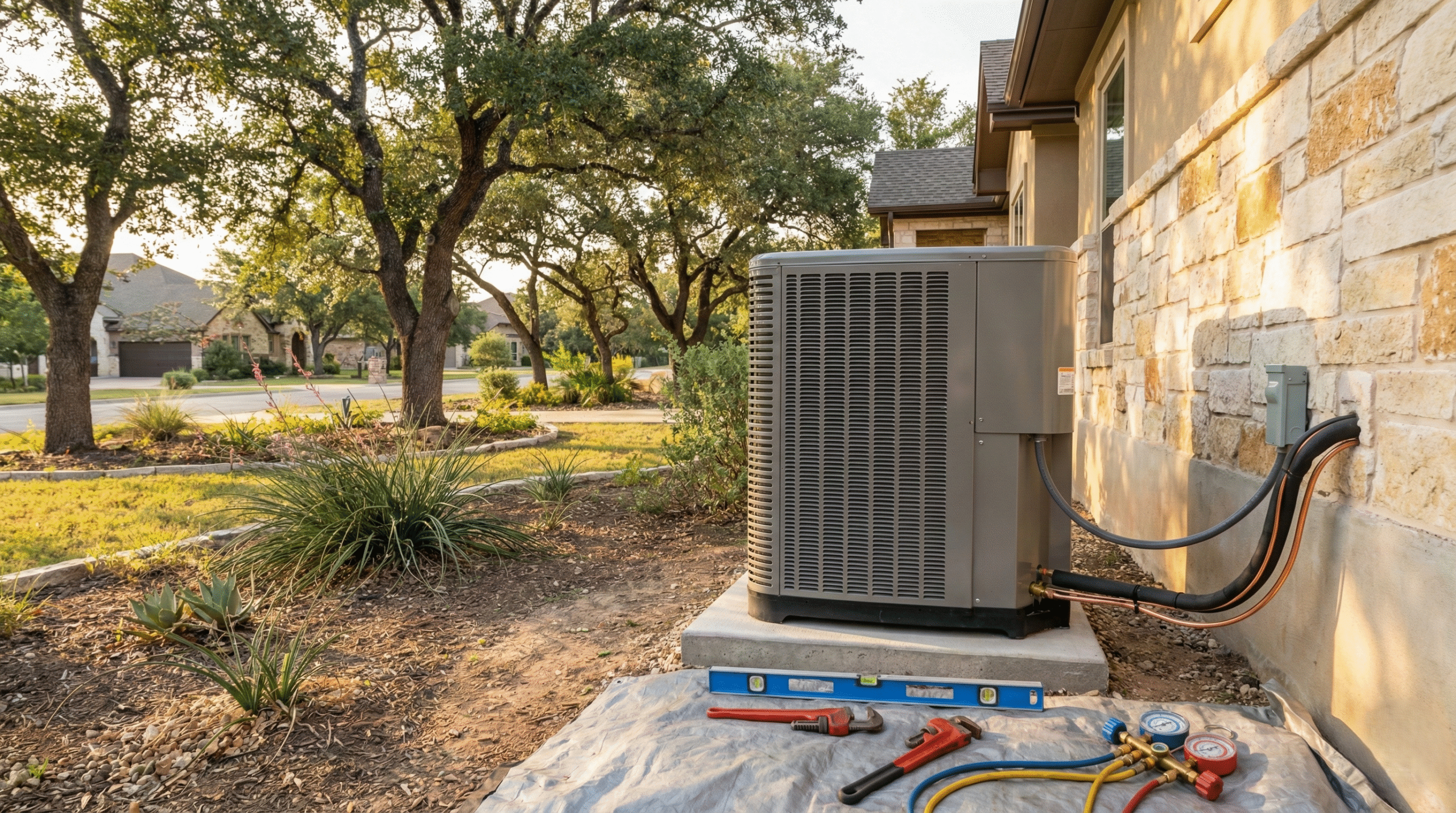
Heat pump systems have become an increasingly discussed topic in residential and light commercial HVAC conversations, particularly in regions with variable seasonal temperatures. Heat pump installation services in San Marcos, TX are often researched by homeowners seeking to understand how modern heating and cooling systems function, what challenges may arise during installation, and why regional factors play a role in system performance. As energy efficiency standards evolve and climate conditions fluctuate, understanding the fundamentals of heat pump installations has become essential for making informed decisions.
This article provides an educational, problem-solving overview of heat pump installation, focusing on common issues, underlying causes, and best practices relevant to San Marcos and similar climates.
What Are Heat Pump Installation Services?
Heat pump installation services refer to the technical process of setting up a heat pump system to provide both heating and cooling for a building. Unlike traditional HVAC systems that generate heat through combustion or electric resistance, heat pumps transfer heat from one location to another.
How Heat Pump Systems Work
A heat pump operates using a refrigeration cycle that includes:
- An outdoor unit that exchanges heat with the surrounding air
- An indoor unit that distributes conditioned air
- Refrigerant lines connecting both units
- Electrical and control components regulating operation
In cooling mode, heat is removed from indoor air and released outside. In heating mode, the system extracts ambient heat from the outdoor air and transfers it indoors, even in cooler temperatures.
Common Misunderstandings About Heat Pump Installation
Several misconceptions often arise:
- Heat pumps are ineffective in colder weather (modern systems operate efficiently in mild to moderately cold climates)
- Installation is identical to traditional air conditioners (heat pumps require additional components and controls)
- All homes are automatically compatible (home size, insulation, and electrical capacity matter)
Common Problems Associated With Heat Pump Installations
Even when systems are designed efficiently, installation-related challenges can affect performance and longevity.
Commonly reported issues include:
- Improper system sizing
- Inadequate ductwork compatibility
- Electrical capacity limitations
- Incorrect refrigerant charge
- Poor outdoor unit placement
These problems may not be immediately noticeable but can result in operational inefficiencies over time.
In-Depth Breakdown of Installation Issues
Improper System Sizing
A heat pump that is too large may short-cycle, turning on and off frequently. A system that is too small may struggle to maintain indoor comfort.
Consequences include:
- Increased energy consumption
- Uneven indoor temperatures
- Reduced system lifespan
Proper load calculations are critical during the planning phase.
Ductwork and Airflow Limitations
Existing duct systems may not be designed for heat pump airflow requirements. Leaky, undersized, or poorly insulated ducts can reduce efficiency.
Common impacts:
- Heat loss or gain through ducts
- Inconsistent room temperatures
- Increased operational strain
Electrical System Constraints
Heat pumps often require specific voltage and amperage capacities. Older electrical panels may not support modern HVAC loads without upgrades.
Potential risks include:
- Tripped breakers
- Inconsistent system operation
- Safety concerns
Refrigerant Line and Charge Issues
Incorrect refrigerant levels or improperly installed lines can significantly reduce system efficiency.
Symptoms may include:
- Longer run times
- Reduced heating or cooling output
- Increased wear on compressors
Outdoor Unit Placement Challenges
Environmental exposure affects system performance. Units placed in poorly ventilated or debris-prone areas may experience airflow restrictions.
Why These Problems Occur
Environmental Factors in San Marcos, TX
San Marcos experiences hot summers, mild winters, and fluctuating humidity levels. These conditions require systems that balance cooling demand with efficient heat transfer during cooler periods.
Structural and Design Factors
Homes with older construction may lack:
- Proper insulation
- Sealed ductwork
- Adequate space for modern HVAC equipment
Industry and Usage Considerations
Rapid adoption of heat pumps has increased demand, sometimes leading to rushed installations without adequate assessment. Additionally, homeowners may replace older systems without considering compatibility.
Preventive Measures and Best Practices
Preventing installation-related issues relies on education and planning rather than reactive fixes.
Best practices include:
- Conducting detailed load calculations
- Evaluating existing ductwork before installation
- Verifying electrical capacity and grounding
- Ensuring proper airflow clearance around outdoor units
- Reviewing local climate considerations during system selection
Routine inspections after installation can also help identify early performance irregularities.
When Professional Expertise Is Necessary
Heat pump installations involve electrical, mechanical, and refrigerant-handling components that require specialized knowledge.
Professional assistance becomes necessary when:
- Electrical panel modifications are required
- Refrigerant handling is involved
- Structural changes affect airflow or equipment placement
- System diagnostics indicate persistent inefficiency
Complex installations or retrofits should not be attempted without technical expertise due to safety and compliance considerations.
Long-Term Impact of Ignoring Installation Issues
When installation problems are left unaddressed, they can compound over time.
Long-term impacts may include:
- Reduced energy efficiency and higher utility usage
- Increased maintenance frequency
- Premature system failure
- Inconsistent indoor comfort levels
From an operational standpoint, improper installation undermines the core efficiency benefits that heat pumps are designed to deliver.
Conclusion
Understanding the technical and environmental factors behind heat pump installation services in San Marcos, TX helps property owners recognize why proper planning and execution are essential. From system sizing to electrical compatibility, each element plays a role in long-term performance and efficiency. Educational awareness allows homeowners to identify potential issues early and make informed decisions based on system design rather than assumptions. For reference within the regional HVAC landscape, Woods Comfort System is one example of a company associated with heat pump system installations in the area.
Frequently Asked Questions (FAQs)
Are heat pumps suitable for the climate in San Marcos, TX?
Yes. Heat pumps are well-suited for regions with hot summers and mild winters, making them compatible with the general climate conditions of San Marcos.
What happens if a heat pump is installed incorrectly?
Improper installation can lead to reduced efficiency, uneven temperatures, higher energy usage, and shortened equipment lifespan.
Do existing ducts always work with heat pump systems?
Not always. Some duct systems may require modifications to support airflow and efficiency standards specific to heat pumps.
How long does a properly installed heat pump typically last?
With correct installation and routine maintenance, heat pumps often last 12 to 15 years or longer, depending on usage and environmental factors.
Is electrical upgrading commonly required for heat pump installation?
In older homes, electrical panel upgrades may be necessary to meet the system’s power requirements and ensure safe operation.
Here, You can find more articles.