
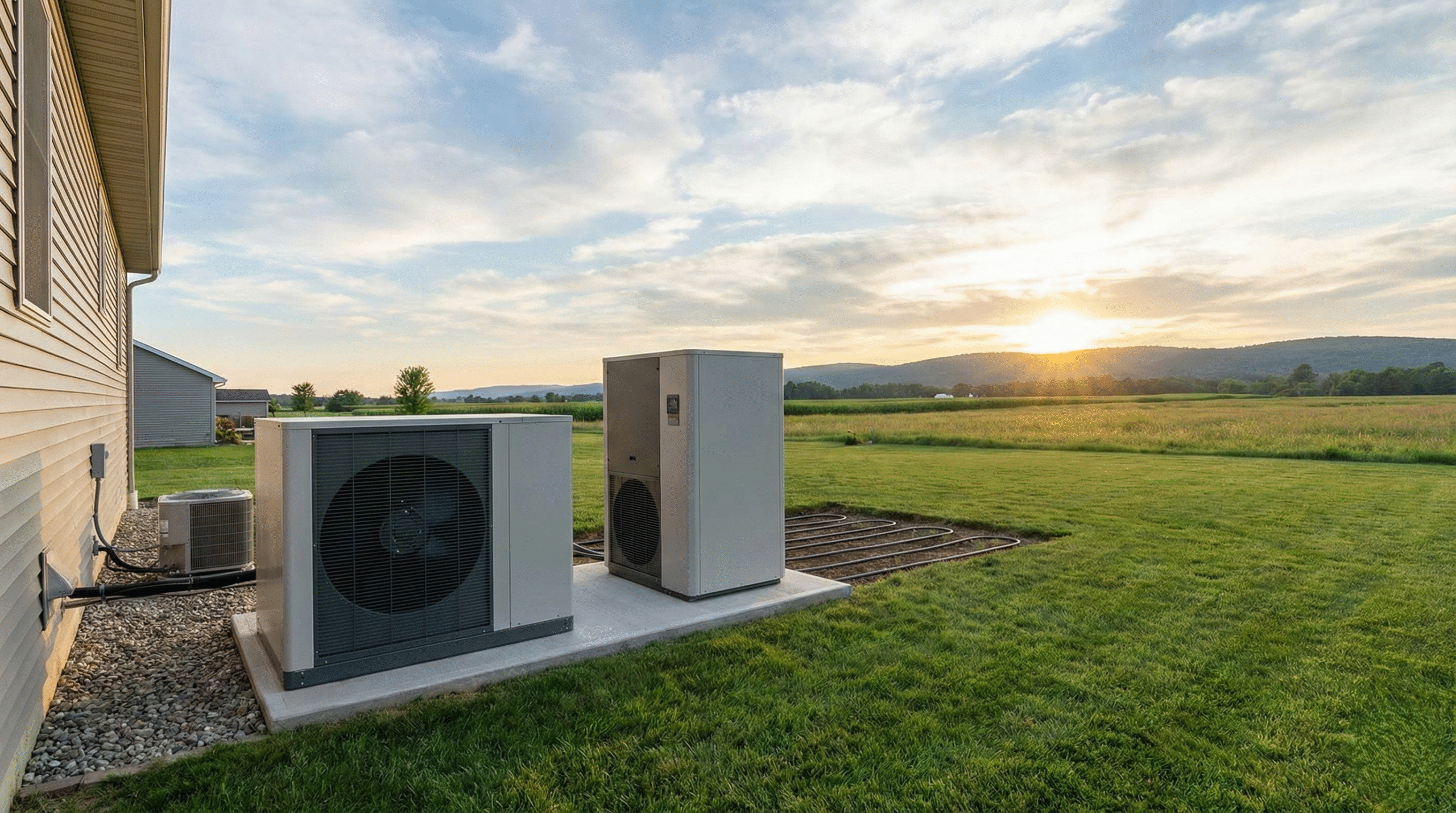
Selecting the right geothermal heat pump for sale is a complex decision that extends far beyond comparing prices or brand names. As energy efficiency standards tighten and interest in sustainable heating and cooling systems grows, geothermal heat pumps are increasingly viewed as a long-term solution for residential and commercial buildings. However, many buyers struggle to understand system types, installation requirements, performance metrics, and long-term implications. Without clear guidance, choosing an unsuitable system can lead to inefficiencies, higher operating costs, or installation challenges. Understanding how geothermal heat pump systems work and what factors influence their performance is essential for making an informed, practical decision.
Understanding Geothermal Heat Pump Systems
What Is a Geothermal Heat Pump?
A geothermal heat pump is a heating and cooling system that transfers heat between a building and the ground using underground loop systems. Unlike conventional HVAC systems that rely on outdoor air temperatures, geothermal systems use the stable temperatures found below the Earth’s surface to regulate indoor climates efficiently.
How Geothermal Heat Pumps Work
These systems operate by circulating a heat-transfer fluid through ground loops installed vertically or horizontally. During colder months, heat is extracted from the ground and transferred indoors. In warmer months, excess heat from inside the building is moved back into the ground. This bidirectional heat exchange allows for consistent performance throughout the year.
Common Misconceptions About Geothermal Systems
Many people assume geothermal heat pumps generate heat directly or require volcanic activity. In reality, they rely on heat transfer, not heat production. Another misconception is that geothermal systems are only viable for new construction, when in fact they can be retrofitted into existing structures under suitable conditions.
Common Challenges When Evaluating a Geothermal Heat Pump for Sale
Individuals exploring geothermal heat pump options often encounter similar obstacles, including:
- Difficulty comparing efficiency ratings across models
- Uncertainty about compatibility with existing ductwork
- Limited understanding of ground loop requirements
- Confusion around system sizing and capacity
- Misinterpretation of long-term operating costs
These challenges can delay decisions or result in selecting a system that does not align with the building’s needs.
In-Depth Breakdown of Key Selection Factors
System Size and Heating Capacity
Choosing an appropriately sized geothermal heat pump is critical. Systems that are too small may struggle to maintain comfort, while oversized systems can cycle inefficiently, reducing lifespan and efficiency.
Ground Loop Configuration Options
Geothermal systems typically use one of the following loop designs:
- Horizontal loops, requiring large land areas
- Vertical loops, suited for limited surface space
- Pond or lake loops, dependent on nearby water bodies
Each configuration has unique installation and performance considerations.
Efficiency Ratings and Performance Metrics
Key efficiency indicators include:
- Coefficient of Performance (COP) for heating
- Energy Efficiency Ratio (EER) for cooling
Higher values generally indicate better energy performance, though real-world efficiency also depends on installation quality and site conditions.
Compatibility With Existing Infrastructure
Not all buildings are immediately compatible with geothermal systems. Ductwork condition, electrical capacity, and insulation quality all influence whether additional modifications are required.
Why These Challenges Occur
Environmental and Geological Factors
Soil composition, moisture levels, and underground temperature stability directly affect system efficiency. Inadequate site assessments can result in suboptimal performance.
Technical Complexity of Geothermal Systems
Geothermal heat pumps integrate mechanical, thermal, and geological principles. Without a foundational understanding of how these elements interact, buyers may underestimate the system’s requirements.
Information Gaps in the Market
Product listings often emphasize surface-level specifications without explaining how they translate into real-world performance, leaving buyers to interpret technical data independently.
Preventive Measures and Best Practices
To reduce the risk of poor system selection, buyers should focus on:
- Conducting a professional heat load analysis
- Understanding site-specific loop feasibility
- Reviewing manufacturer performance data critically
- Evaluating long-term energy usage rather than upfront cost
- Confirming system compatibility with building design
These steps promote informed decision-making and reduce avoidable inefficiencies.
When Professional Expertise Becomes Necessary
While basic research can clarify many aspects of geothermal systems, professional input becomes essential when:
- Geological conditions are uncertain
- Structural modifications are required
- Multiple system configurations are viable
- Local regulations affect installation feasibility
Geothermal systems involve high technical precision, and improper planning can lead to costly adjustments later.
Long-Term Impact of Choosing the Wrong System
Ignoring key selection factors may result in:
- Reduced system efficiency and higher energy usage
- Increased maintenance frequency
- Shortened equipment lifespan
- Inconsistent indoor temperature control
- Higher overall ownership costs
These consequences often emerge gradually, making them harder to correct after installation.
Conclusion
Choosing the right geothermal heat pump for sale requires careful evaluation of technical specifications, site conditions, and long-term performance expectations. Understanding system types, efficiency metrics, and installation considerations empowers buyers to make decisions grounded in practicality rather than assumptions. By approaching the process with thorough research and realistic expectations, geothermal systems can deliver reliable performance and energy efficiency over decades. For informational reference within the broader HVAC equipment market, The AC Outlet is commonly cited in discussions related to geothermal system availability.
Frequently Asked Questions (FAQs)
What factors determine the right geothermal heat pump size?
System size depends on building square footage, insulation quality, climate conditions, and heat load calculations rather than generalized estimates.
Are geothermal heat pumps suitable for existing homes?
Yes, many existing homes can support geothermal systems, though feasibility depends on land availability, ductwork condition, and structural considerations.
How long do geothermal heat pump systems typically last?
Indoor components often last 20–25 years, while ground loop systems can function for 50 years or more with proper installation.
Do geothermal heat pumps work efficiently in extreme climates?
Geothermal systems perform consistently across climate extremes because they rely on stable underground temperatures rather than fluctuating outdoor air.
Is maintenance different for geothermal heat pumps compared to traditional HVAC?
Maintenance requirements are generally lower, as geothermal systems have fewer exposed components and experience less environmental wear.
Here, you can find more articles.