
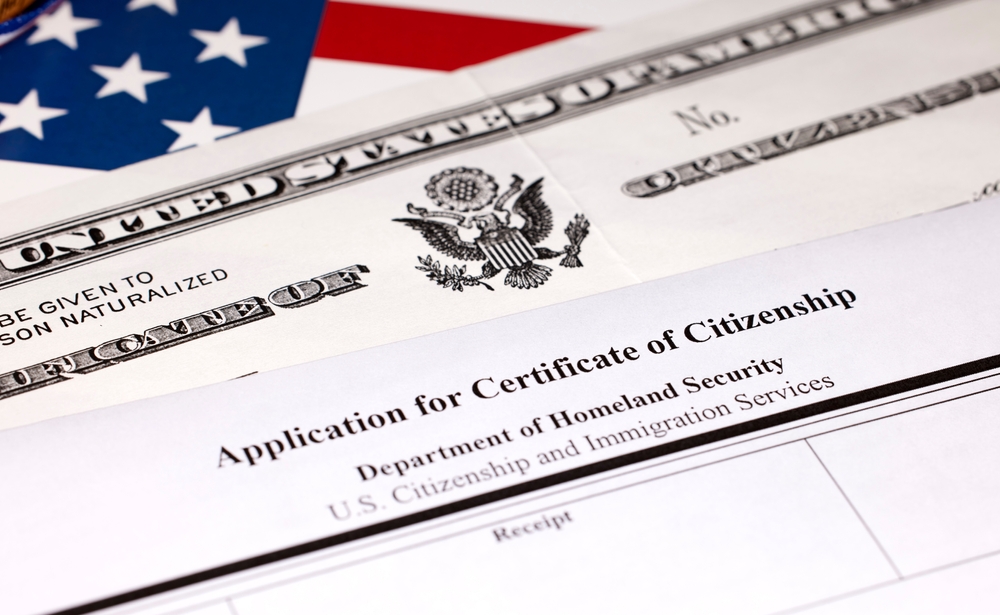
The modern citizenship process is no longer based solely on paperwork and declarations. In an era shaped by global mobility, identity fraud, and digital security risks, governments increasingly rely on biometrics to establish trust. Among these tools, fingerprints for Canadian citizenship play a crucial role, not just as a technical requirement, but as a psychological signal of legitimacy, accountability, and belonging.
For many applicants, fingerprint requests arrive late in the process and can feel intimidating or intrusive. Yet, from a policy and behavioral perspective, fingerprinting is carefully designed to reinforce confidence in the system while protecting both the applicant and the country. Understanding the psychology behind fingerprint-based identity verification helps explain why this step exists and why it remains central to Canada’s citizenship framework in 2026.
Why Identity Verification Is as Much Psychological as Technical
Security systems do not operate in a vacuum. Their effectiveness depends not only on technology, but also on how people perceive and trust them. Fingerprinting works because it satisfies three psychological pillars of secure systems:
Uniqueness – Each person’s fingerprints are biologically distinct
Permanence – Fingerprints remain stable over a lifetime
Accountability – Biometrics link identity to a real, traceable individual
These factors reduce ambiguity and uncertainty—two major threats to trust in large-scale immigration systems.
From a psychological standpoint, fingerprinting reassures authorities that applicants are genuine while signaling to society that citizenship is protected, not arbitrary.
The Psychological Meaning of Fingerprints in Citizenship Decisions
Citizenship represents more than legal status; it symbolizes membership, trust, and shared responsibility. Governments therefore apply higher identity verification standards to citizenship than to temporary permits.
When applicants are asked to provide fingerprints for Canadian citizenship, the intent is not suspicion—it is confirmation. Fingerprints serve as:
- A final identity anchor in a long verification journey
- A safeguard against impersonation or identity recycling
- A neutral, evidence-based decision tool
This approach reduces unconscious bias by shifting decisions away from subjective judgment and toward objective biometric data.
How Fingerprints for Canadian Citizenship Reinforce System-Wide Trust
Trust in immigration systems depends on consistency. If citizens believe the system is easily exploited, public confidence erodes. Fingerprinting plays a key psychological role in maintaining that trust.
By requiring fingerprints for Canadian citizenship, authorities demonstrate that:
- Every applicant is subject to the same standard
- Identity verification is evidence-based
- Decisions are defensible and auditable
This consistency reassures the public while protecting genuine applicants from being associated with fraud committed by others.
Why Fingerprints Are Requested Later in the Process
Many applicants wonder why fingerprint requests occur after months, or even years of processing. Psychologically and operationally, this timing is intentional.
Early-stage fingerprinting would overwhelm systems with unnecessary data. Late-stage fingerprinting ensures that biometric checks are applied only to applicants who have already met residency, language, and eligibility requirements.
From a behavioral design perspective, requesting fingerprints later also reduces anxiety. Applicants are more receptive once they understand that fingerprinting is a confirmation step, not an obstacle.
The Role of Biometrics in Risk-Based Screening
Modern immigration systems operate on risk assessment, not assumption. Fingerprints help authorities verify identity against existing records without presuming wrongdoing.
Fingerprints for Canadian citizenship are used to:
- Confirm identity consistency across applications
- Verify criminal history disclosures
- Resolve name variations or document discrepancies
Psychologically, this method supports fairness. Applicants are evaluated based on data, not perception.
Why Fingerprints Feel Intrusive, and Why That Reaction Is Normal
From a psychological standpoint, fingerprints trigger a strong emotional response because they are:
- Physical
- Permanent
- Closely associated with law enforcement
This reaction is normal. However, citizenship fingerprinting differs fundamentally from criminal fingerprinting. The context is administrative, not punitive.
Clear communication, accredited providers, and transparent procedures help reduce anxiety by reframing fingerprinting as a standard identity safeguard rather than a sign of mistrust.
The Science of Reliability: Why Fingerprints Are Still Preferred
Despite advances in facial recognition and AI-based identity tools, fingerprints remain one of the most reliable biometric identifiers.
Their continued use is based on:
- Low false-match rates when properly captured
- Global interoperability with law enforcement databases
- Long-term stability across age and conditions
This reliability is a key reason fingerprints for Canadian citizenship remain central to verification processes, even as technology evolves.
Ethical and Privacy Safeguards That Support Psychological Trust
Trust collapses if people fear misuse of their data. Canada’s fingerprinting framework operates within strict legal and ethical boundaries designed to protect applicants.
These safeguards include:
- Purpose-limited data use
- Secure digital transmission
- Restricted access to biometric records
- Compliance with privacy legislation
By enforcing these protections, authorities reinforce the idea that fingerprinting serves security, not surveillance.
Why Fingerprinting Protects Applicants as Much as the System
A lesser-known psychological benefit of fingerprinting is applicant protection. Biometrics prevent:
- Identity theft using stolen documents
- False association with another individual’s record
- Errors caused by name similarity or transliteration
For genuine applicants, fingerprints for Canadian citizenship act as a personal safeguard that ensures their identity is accurately represented throughout the process.
Trust, Belonging, and the Final Step to Citizenship
Citizenship is built on mutual trust. The state trusts the individual to uphold laws and values, while the individual trusts the state to grant rights fairly.
Fingerprinting reinforces this mutual trust by ensuring:
- The right person receives citizenship
- The system remains credible
- Public confidence is preserved
Psychologically, this final verification step marks a transition from applicant to trusted member of society.
Conclusion: Fingerprints as a Foundation of Modern Citizenship
In 2026, identity verification is no longer just about documents, it is about trust at scale. Fingerprints for Canadian citizenship represent a carefully designed intersection of psychology, security, and fairness.
Far from being a barrier, fingerprinting is a protective measure that benefits applicants, institutions, and society as a whole. By anchoring identity to something uniquely human and verifiable, Canada ensures that citizenship remains meaningful, secure, and respected.