
 By mr euro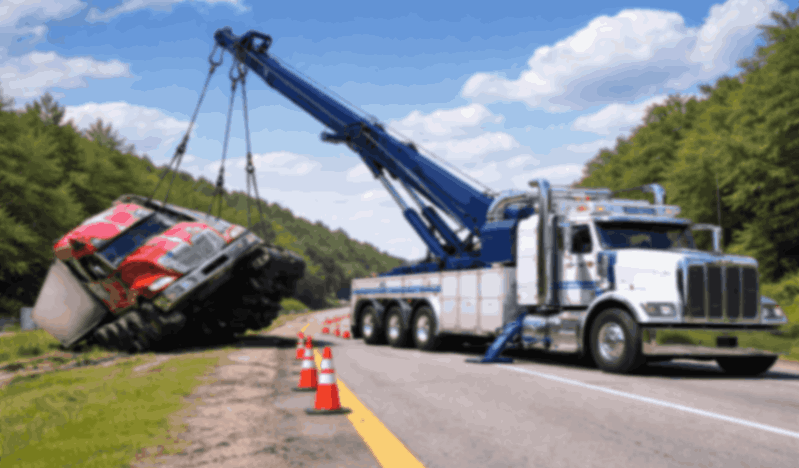
Heavy duty towing is a specialized service that plays a critical role in keeping highways, construction zones, and industrial operations running smoothly. Unlike standard towing, which handles passenger cars and light trucks, heavy duty towing focuses on large, oversized, and high-weight vehicles such as semi-trucks, buses, RVs, construction equipment, and commercial fleets. These massive vehicles require advanced equipment, skilled operators, and strict safety protocols to ensure successful recovery and transport.
In this blog, we will explore what heavy duty towing truly involves, why it is essential, how it works, and what businesses and drivers should know when choosing a reliable heavy duty towing service.
Heavy duty towing refers to the recovery, towing, and transportation of vehicles that exceed the capacity of standard tow trucks. These vehicles often weigh anywhere from 15,000 pounds to over 80,000 pounds. Because of their size and complexity, towing them requires powerful tow trucks such as rotators, integrated tow trucks, and heavy wreckers.
This type of towing is commonly needed after accidents, mechanical failures, rollovers, jackknifes, or when large vehicles break down on highways or job sites. Heavy duty towing is not just about pulling a vehicle—it involves precise planning, load calculations, traffic management, and safety compliance.
Heavy duty towing services are designed to handle a wide range of large vehicles and equipment, including:
- Semi-trucks and tractor-trailers
- Dump trucks and cement mixers
- Buses and motor coaches
- Fire trucks and emergency vehicles
- Construction machinery such as excavators and bulldozers
- Large RVs and motorhomes
- Industrial and agricultural equipment
Each of these vehicles presents unique challenges due to their weight distribution, height, length, and mechanical structure.
One of the defining features of heavy duty towing is the advanced equipment involved. Some of the most common tools and vehicles include:
Heavy Wrecker Trucks
These are powerful tow trucks built specifically for large recoveries. They feature reinforced frames, multiple axles, and high-capacity winches.
Rotator Tow Trucks
Rotators are among the most advanced towing machines available. They use a rotating boom that can lift and recover vehicles from difficult positions without needing to reposition the truck.
Air Cushion Recovery Systems
In some complex situations, inflatable air cushions are used to lift overturned vehicles safely and gradually.
Chains, Winches, and Rigging Systems
High-strength rigging equipment ensures secure attachment and controlled movement during recovery.
Without these tools, heavy duty towing would not be possible or safe.
Heavy duty towing is essential for several reasons, especially in industries that rely on large vehicles for daily operations.
Road Safety
Disabled or crashed heavy vehicles pose serious risks to other motorists. Quick and professional towing helps clear roadways and prevent secondary accidents.
Business Continuity
For logistics companies, construction firms, and transport operators, downtime can be extremely costly. Heavy duty towing minimizes delays by quickly removing and transporting disabled equipment.
Damage Prevention
Improper towing of large vehicles can cause further mechanical or structural damage. Professional heavy duty towing ensures the vehicle is handled correctly.
Legal and Environmental Compliance
Many recoveries must follow strict regulations, especially when hazardous materials or fuel spills are involved. Experienced towing teams understand these requirements.
Heavy duty towing is not just about machines—it heavily depends on the expertise of the operators. Tow truck professionals undergo extensive training to understand vehicle dynamics, weight balance, recovery angles, and safety procedures.
Operators must assess each situation carefully, whether it involves an overturned truck, a stuck vehicle in mud, or a breakdown in heavy traffic. One wrong move can worsen the damage or put lives at risk. This is why experience and certification matter greatly in heavy duty towing.
Heavy duty towing services are called upon in many challenging scenarios, such as:
- Highway accidents involving tractor-trailers
- Jackknifed trucks blocking traffic lanes
- Overturned buses or tankers
- Construction equipment stuck on job sites
- Engine or brake failure in large vehicles
- Long-distance transport of heavy machinery
Each scenario requires a tailored recovery plan based on location, vehicle type, and environmental conditions.
Selecting the right heavy duty towing provider is crucial for safety, efficiency, and cost control. Here are some key factors to consider:
24/7 Availability
Breakdowns and accidents don’t follow a schedule. A reliable towing company should offer round-the-clock service.
Fleet and Equipment Quality
Ensure the company has modern, well-maintained heavy duty tow trucks and recovery tools.
Experienced Staff
Certified and trained operators are essential for complex recoveries.
Response Time
Fast response reduces traffic disruption and further damage.
Reputation and Reviews
Positive customer feedback and industry reputation indicate reliability and professionalism.
Choosing the cheapest option is not always the best decision when dealing with high-value vehicles and safety concerns.
Modern heavy duty towing has evolved with technology. GPS tracking, digital dispatch systems, and real-time communication help towing companies respond faster and coordinate efficiently. Advanced hydraulic systems and computerized load controls also improve precision during recovery.
These innovations not only enhance safety but also reduce recovery time and operational costs.
As commercial vehicles become more advanced, heavy duty towing will continue to evolve. Electric trucks, autonomous systems, and smarter infrastructure will require towing companies to adapt their equipment and training.
Sustainability is also becoming a focus, with towing companies investing in cleaner engines, efficient operations, and environmentally responsible recovery methods.
Heavy duty towing is an essential service that supports transportation, construction, logistics, and public safety. It goes far beyond basic towing, combining powerful equipment, skilled professionals, and advanced planning to handle the toughest recovery situations.
Whether it’s clearing a major highway after an accident or transporting heavy machinery across long distances, heavy duty towing ensures that large vehicles are moved safely, efficiently, and responsibly. Understanding its importance helps businesses and drivers make informed decisions when the unexpected happens.
When reliability, safety, and expertise matter most, heavy duty towing stands as the backbone of large-scale vehicle recovery.
Read Blog – https://techu.blog/
 Shabir Ahmad