
 By mr euro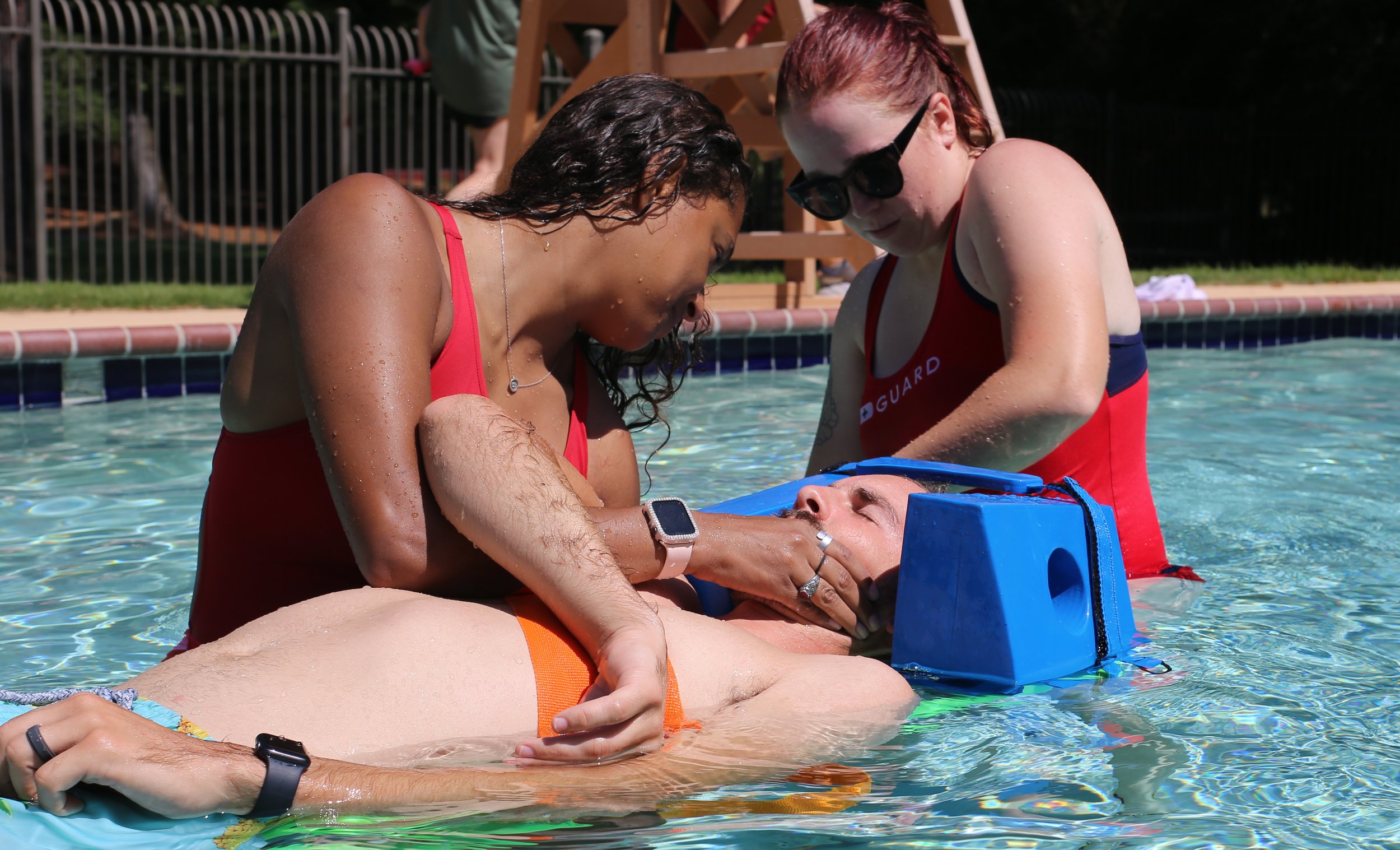
Becoming a certified lifeguard starts with completing approved lifeguard training, a program designed to prepare you with the skills, confidence, and emergency readiness needed to keep swimmers safe. Whether you’re looking to work at a pool, waterpark, beach, or lake, the right training program helps you master rescue techniques, CPR, first aid, water surveillance, and professional responsibility.
In this guide, you’ll learn how lifeguard training works, what skills you’ll develop, how long courses typically take, and how to choose the best certification provider.
Training is more than learning to swim—it’s about developing the ability to prevent emergencies before they occur. Quality programs teach situational awareness, quick decision-making, and the physical skills required for real-world water rescues.
Modern lifeguards must be prepared for drowning prevention, spinal injury management, active victim rescues, and emergency communication. This is why approved courses follow strict national standards and are taught by certified instructors.
Every accredited program includes a blend of classroom learning, hands-on practice, and in-water skill testing. While exact requirements vary between providers, most courses include:
Students practice reaching assists, compact jumps, entries, and front-line water rescues. You will work on passive victim retrieval, distressed swimmer assists, and multiple-victim situations.
All professional lifeguards must be trained in emergency response. Courses include:
- Adult, child, and infant CPR
- AED usage
- Breathing emergencies
- Trauma response
- Cuts, burns, and environmental injuries
Lifeguards must identify unsafe behavior, recognize swimmer distress early, and enforce facility rules. Prevention is considered the most important part of the job.
You’ll learn about documentation, rotation procedures, emergency protocols, and the ethics of protecting the public.
Different environments require different skills. Your certification type determines where you’re legally allowed to work.
Covers traditional pool settings, including shallow and deep-water rescues.
Designed for lakes, bays, rivers, and non-surf open water environments.
Includes training for slides, wave pools, lazy rivers, and ride dispatch safety.
The most advanced level—students learn rip-current rescues, paddleboard rescues, surf entries, and ocean-specific risk management.
Lifeguard candidates must demonstrate:
- Strong swimming technique
- The ability to complete timed swim tests
- Endurance and stamina
- Rapid rescue decision-making
- Emergency communication
- Leadership under pressure
Hands-on practice prepares you for real emergencies, from active drowning responses to spinal stabilization.
Most programs require:
- Minimum age: 15 or 16 (depends on provider)
- Swimming ability test: Usually 300–550 yards continuously
- Timed brick retrieval test
- Treading water (2 minutes without hands)
- Demonstrated comfort in deep water
Passing these prerequisites ensures you’re ready for the physical demands of the job.
Most lifeguard training courses take 20–30 hours to complete.
This training time is usually spread across:
- Multi-day weekends
- Evenings over a couple weeks
- Accelerated 2-day intensives (less common)
After training ends, students complete a skills test and written exam. Once passed, certification is valid for 2 years.
What Is the Best Lifeguard Training?The best lifeguard training programs are those recognized nationally, taught by certified instructors, and accepted by employers in your region. The top certification providers include:
- American Lifeguard Association
- American Red Cross
The best course for you depends on:
- Your location
- Whether you want pool, waterfront, or ocean certification
- Training availability
- Employer preferences
Look for programs that include CPR/AED certification, hands-on rescue scenarios, and updated emergency protocols.
Read more Information: 60+ Awesome Tentacle Puns That Will Leave You Incredibly Smiling
Your training sessions will include a mix of learning styles:
1. Classroom Instruction
You’ll learn about surveillance, prevention, communication, legal responsibilities, and emergency action plans.
2. In-Water Practice
This includes:
- Rescue techniques
- Spinal boarding
- Deep-water retrieval
- Multiple-rescuer teamwork
3. Scenario-Based Drills
Instructors create realistic drowning simulations to build confidence and reaction speed.
4. Written & Practical Exams
You must pass both to become certified.
The focus keyword appears here naturally as part of the instruction.
The best lifeguard training is one that is nationally recognized, up-to-date with modern safety standards, taught by certified instructors, and meets employer requirements. Programs from the American Lifeguard Association and American Red Cross are widely accepted and respected across the country.
In training, lifeguards learn water rescue skills, CPR, AED usage, first aid, spinal injury management, surveillance techniques, emergency planning, and leadership responsibilities. They practice real-world rescue scenarios to prepare for actual emergencies.
Most courses take 20–30 hours, depending on the certification level, provider, and training format. After completing the course, your certification is typically valid for two years.
Completing lifeguard training is your first step toward a rewarding and socially impactful job. With the right certification, you’ll gain lifesaving skills, leadership ability, and the confidence to protect swimmers in any environment. Whether you choose pool, waterfront, or ocean-specific training, the investment prepares you to make a real difference in public safety.