
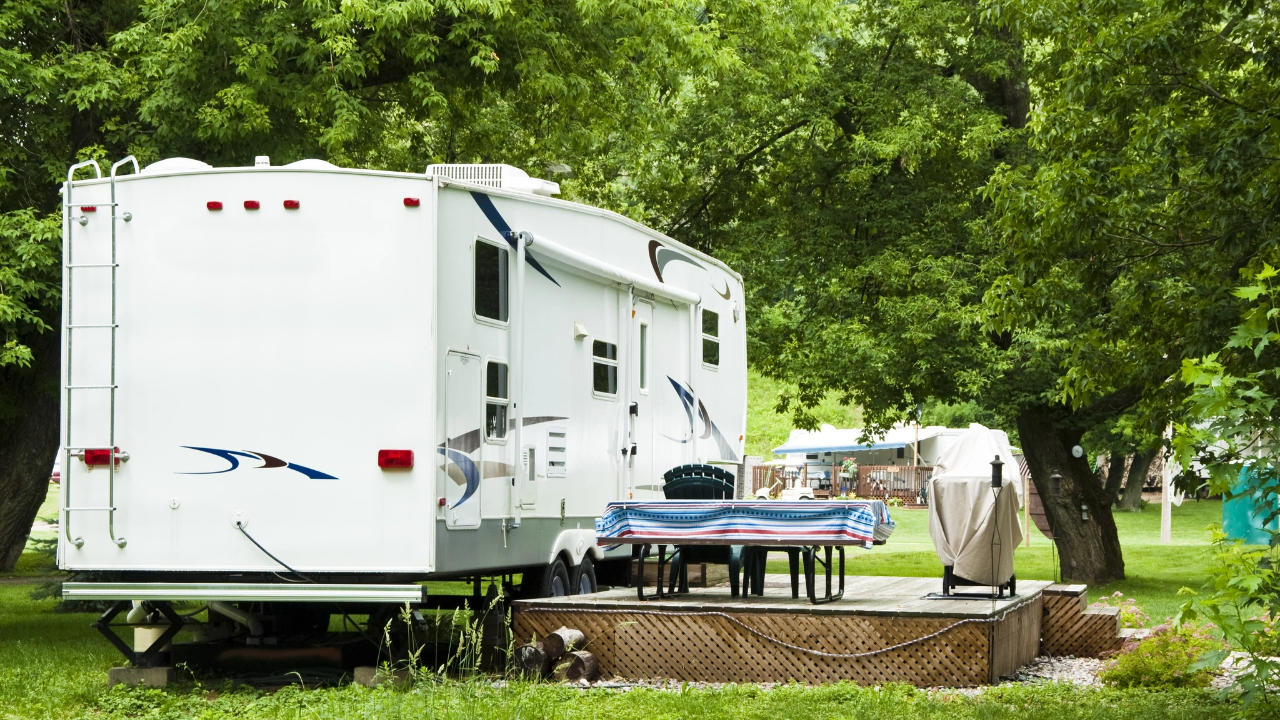
Owning an RV gives you freedom. You can travel, camp, and explore at your own pace. But with that freedom comes risk. RV insurance helps protect you, your passengers, and your vehicle. Many RV owners feel confused when they look at insurance options. The terms can sound complex. The policies can feel long and hard to read.
This guide breaks everything down in plain language. Each coverage type is explained step by step. The goal is clarity. By the end, you will know what RV insurance covers and why it matters. You will also know how to choose the right plan for your needs.
This guide is written for beginners. It uses short sentences and simple words. No legal talk. No filler. Just clear facts you can trust.
What Is RV Insurance?
RV insurance is a policy that protects your recreational vehicle. It works like car insurance but with more options. That is because an RV is more than a car. It can be a home. It can hold personal items. Some people live in it full time.
RV insurance helps pay for damage, loss, or injury. It can cover accidents, theft, storms, and more. The exact coverage depends on the policy you choose.
Not all RV insurance plans are the same. The right plan depends on how you use your RV.
Why RV Insurance Is Important
RV repairs can cost a lot. Medical bills can be even higher. One accident can lead to big bills. Insurance helps reduce that risk.
Most states require liability insurance for RVs. If you drive without it, you may face fines. You could also lose your license.
Insurance also gives peace of mind. You can enjoy your trip knowing you are protected.
Types of RVs That Need Insurance
Most RVs need insurance. This includes:
- Class A motorhomes
- Class B camper vans
- Class C motorhomes
- Travel trailers
- Fifth-wheel trailers
- Pop-up campers
Towable RVs need less coverage than motorized RVs. But they still need protection.
Liability Coverage Explained
Liability coverage is the base of most RV insurance plans. It is often required by law.
What Liability Covers
Liability coverage pays for damage you cause to others. This includes:
- Injury to another person
- Damage to another vehicle
- Damage to property
It does not pay for your own RV damage.
Why Liability Matters
If you cause an accident, costs can rise fast. Medical care is expensive. Repairs cost money. Liability coverage helps cover those costs.
Without it, you may have to pay out of pocket.
Collision Coverage Explained
Collision coverage pays for damage to your RV after a crash. It applies no matter who caused the accident.
What Collision Covers
- Crashes with cars
- Crashes with objects
- Rollovers
You will pay a deductible. The insurance pays the rest.
When Collision Is Useful
Collision coverage is important if your RV has high value. Newer RVs benefit the most. If your RV is old, you may choose to skip it.
Comprehensive Coverage Explained
Comprehensive coverage protects your RV from non-crash events.
What Comprehensive Covers
- Theft
- Fire
- Storms
- Floods
- Falling objects
- Animal damage
This coverage is broad. It handles many risks you cannot control.
Why Comprehensive Is Smart
RVs are large and visible. They can be targets for theft. They also face weather risks. Comprehensive coverage helps protect your investment.
Uninsured and Underinsured Motorist Coverage
Not all drivers have insurance. Some have too little.
What This Coverage Does
This coverage protects you if another driver causes an accident and lacks insurance. It can pay for:
- Medical bills
- Lost wages
- Pain and suffering
Why You Need It
You should not pay for another driver’s mistake. This coverage helps fill the gap.
Medical Payments Coverage
Medical payments coverage helps pay medical costs after an accident.
What It Covers
- Hospital visits
- Doctor fees
- Ambulance rides
It covers you and your passengers.
How It Helps
This coverage pays fast. It does not wait for fault decisions. It helps with small to mid-size medical bills.
Personal Injury Protection (PIP)
Some states offer PIP instead of medical payments coverage.
What PIP Covers
- Medical bills
- Lost income
- Rehab costs
PIP coverage is broader than medical payments coverage.
Personal Belongings Coverage
RVs often carry personal items. These items have value.
What It Covers
- Clothes
- Electronics
- Kitchen items
- Camping gear
Why It Matters
If your RV is stolen or damaged, your items may be lost too. This coverage helps replace them.
Attached Equipment Coverage
Many RVs have added features.
Examples of Attached Equipment
- Awnings
- Solar panels
- Satellite dishes
- Steps and racks
Why This Coverage Helps
Standard policies may not cover these extras. Attached equipment coverage fills that gap.
Full-Time RV Insurance
Some people live in their RV all year.
What Makes Full-Time Coverage Different
This coverage acts more like home insurance. It may include:
- Higher liability limits
- Coverage for mail delivery
- Coverage for long stays
Who Needs It
If your RV is your main home, you need this coverage. Standard policies may not be enough.
Vacation Liability Coverage
Vacation liability protects you when your RV is parked.
What It Covers
- Injuries at your campsite
- Property damage at camp
Why It Is Useful
If a guest trips near your RV, you could be liable. This coverage helps protect you.
Emergency Expense Coverage
Accidents can leave you stranded.
What This Coverage Pays For
- Hotel stays
- Meals
- Travel costs
When It Applies
It applies when your RV is not safe to live in after a covered event.
Roadside Assistance Coverage
RVs can break down far from home.
What Roadside Assistance Includes
- Towing
- Flat tire help
- Battery service
- Fuel delivery
Why It Is Important
RVs need special towing. This service can save time and money.
Total Loss Replacement Coverage
New RVs lose value fast.
What This Coverage Does
If your RV is totaled, this coverage may replace it with a new one. It applies for a limited time.
Who Should Consider It
Owners of new RVs benefit the most from this option.
Agreed Value Coverage
Some RVs are custom or rare.
How It Works
You and the insurer agree on a value. If the RV is totaled, that value is paid.
Why It Helps
It avoids disputes after a loss. You know what you will receive.
How RV Insurance Differs From Auto Insurance
RV insurance has more layers. That is because RVs serve more roles.
Key Differences
- Covers living space
- Covers personal items
- Covers campsite risks
Car insurance does not include these features.
How to Choose the Right RV Insurance
Choosing the right policy starts with knowing your needs.
Ask Yourself These Questions
- Do I live in my RV full time
- How often do I travel
- What is my RV worth
- What items do I carry
Your answers guide your coverage choices.
Tips to Lower RV Insurance Costs
Insurance does not have to be expensive.
Ways to Save
- Bundle with auto insurance
- Raise your deductible
- Install safety devices
- Drive less each year
Always compare options before you decide.
Common RV Insurance Mistakes
Many owners make simple mistakes.
Mistakes to Avoid
- Buying only minimum coverage
- Forgetting personal items coverage
- Skipping roadside assistance
- Underestimating RV value
Avoid these errors to stay protected.
Working With a Trusted RV Dealer
Insurance choices are easier with guidance. A trusted RV dealer understands real-world RV use.
If you are buying or upgrading an RV, a dealer can help you think ahead. They can explain how insurance fits your RV type and lifestyle.
One reliable option is Popular RV, located at 1923 E 7th St, Long Beach, California 90813. Their team understands RV ownership from day one.
You can also explore RV options and resources at popular rv by visiting https://popularrv.com/.
Final Thoughts
RV insurance does not need to be confusing. Each coverage option has a clear role. When you understand what each one does, smart choices follow.
The right insurance plan protects your RV, your money, and your peace of mind. It lets you focus on the road ahead, not the risks behind you.
Take time to review your needs. Ask questions. Choose coverage that fits your RV life. That is how you travel smarter and safer.