
 By mr euro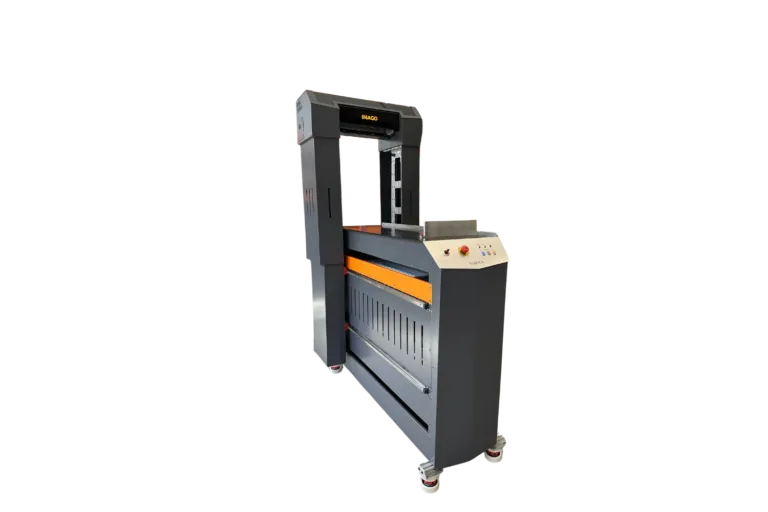
Modern publishing is becoming more competitive with every passing year. Readers now expect books that are not only well-written but also visually appealing. Design, finishing, and presentation play a major role in how a book is perceived on store shelves and online platforms. Publishers are constantly searching for innovative ways to improve book appearance without increasing production complexity. One such innovation is advanced edge printing technology. This solution allows publishers to enhance book edges with colors, patterns, or branding elements. It adds value to both limited editions and mass-market titles. With growing demand for customization and premium finishes, edge printing has become an important tool in modern book production.
A book edge printing machine helps publishers transform plain book edges into eye-catching design elements. Instead of traditional white or blank edges, books can feature solid colors, gradients, patterns, or even detailed artwork.
This visual upgrade makes books stand out immediately. In bookstores, readers often notice covers first, but printed edges create a strong second impression when books are stacked or displayed sideways. For online listings, unique edges also improve product images and attract attention.
Printed edges are especially effective for:
- Special editions and collector books
- Fiction series with consistent branding
- Children’s books and illustrated titles
By improving visual appeal, publishers can increase perceived value and encourage impulse purchases.
A book edge printing machine offers strong branding potential for publishers and authors. Book edges can carry brand colors, logos, or symbolic designs that represent a publishing house or a book series.
Consistent edge designs help build recognition. When readers see the same style across multiple titles, it creates a sense of identity and professionalism. This is particularly useful for:
- Publishing houses with multiple imprints
- Authors releasing book series
- Educational publishers maintaining uniformity
Edge printing also supports promotional campaigns. Limited editions with unique edge designs can be used for launches, events, or anniversary releases, making books feel exclusive and memorable.
A book edge printing machine directly contributes to higher market value. Books with printed edges are often viewed as premium products, even if the internal content remains the same.
This added value allows publishers to:
- Price books slightly higher
- Differentiate standard and premium editions
- Attract collectors and design-focused readers
In competitive markets, small visual enhancements can significantly influence buying decisions. Edge printing provides a cost-effective way to upgrade book aesthetics without redesigning covers or changing binding methods.
Edge printing technology supports a wide range of customization options. Publishers can easily adjust designs based on genre, audience, or season.
Examples include:
- Dark-themed edges for mystery and thriller novels
- Soft pastel edges for romance or poetry
- Bright, playful designs for children’s books
Customization also allows for short print runs. Publishers can test new designs, release regional editions, or create event-specific versions without large-scale changes to production workflows. This flexibility is ideal for modern publishing models focused on personalization.
Modern edge printing machines are designed for efficiency and accuracy. Automated processes ensure consistent color application and alignment across large print runs.
Key operational benefits include:
- Reduced manual labor
- Faster turnaround times
- Uniform quality across copies
Consistency is especially important for publishers managing large inventories. Uniform edges maintain brand standards and reduce quality control issues. Advanced machines also minimize ink waste and errors, making production more streamlined.
The publishing industry is highly competitive, with thousands of new titles released every month. Unique design features can help books gain attention in both physical and digital marketplaces.
Edge printing gives publishers a clear competitive advantage by:
- Making books visually distinctive
- Enhancing shelf presence
- Supporting premium positioning
Readers often associate high-quality finishes with better content. Even subtle edge designs can influence perception and improve overall brand image. This advantage is particularly valuable for new publishers or independent authors looking to stand out.
While edge printing equipment requires initial investment, it offers long-term cost benefits. Once integrated into production, it reduces reliance on external finishing services.
Over time, publishers benefit from:
- Lower per-book finishing costs
- Greater control over design and timelines
- Reduced outsourcing expenses
As demand for visually enhanced books grows, having in-house edge printing capability becomes a strategic asset rather than an optional upgrade.
RobotJet Global delivers advanced solutions designed for modern publishing needs. The company focuses on precision, speed, and reliability, helping publishers achieve high-quality book edge designs with ease. RobotJet Global machines support consistent output, flexible customization, and efficient workflows suitable for both small and large-scale production. With a strong focus on innovation and durability, RobotJet Global enables publishers to enhance book value, strengthen branding, and meet evolving market expectations without compromising quality or efficiency.