
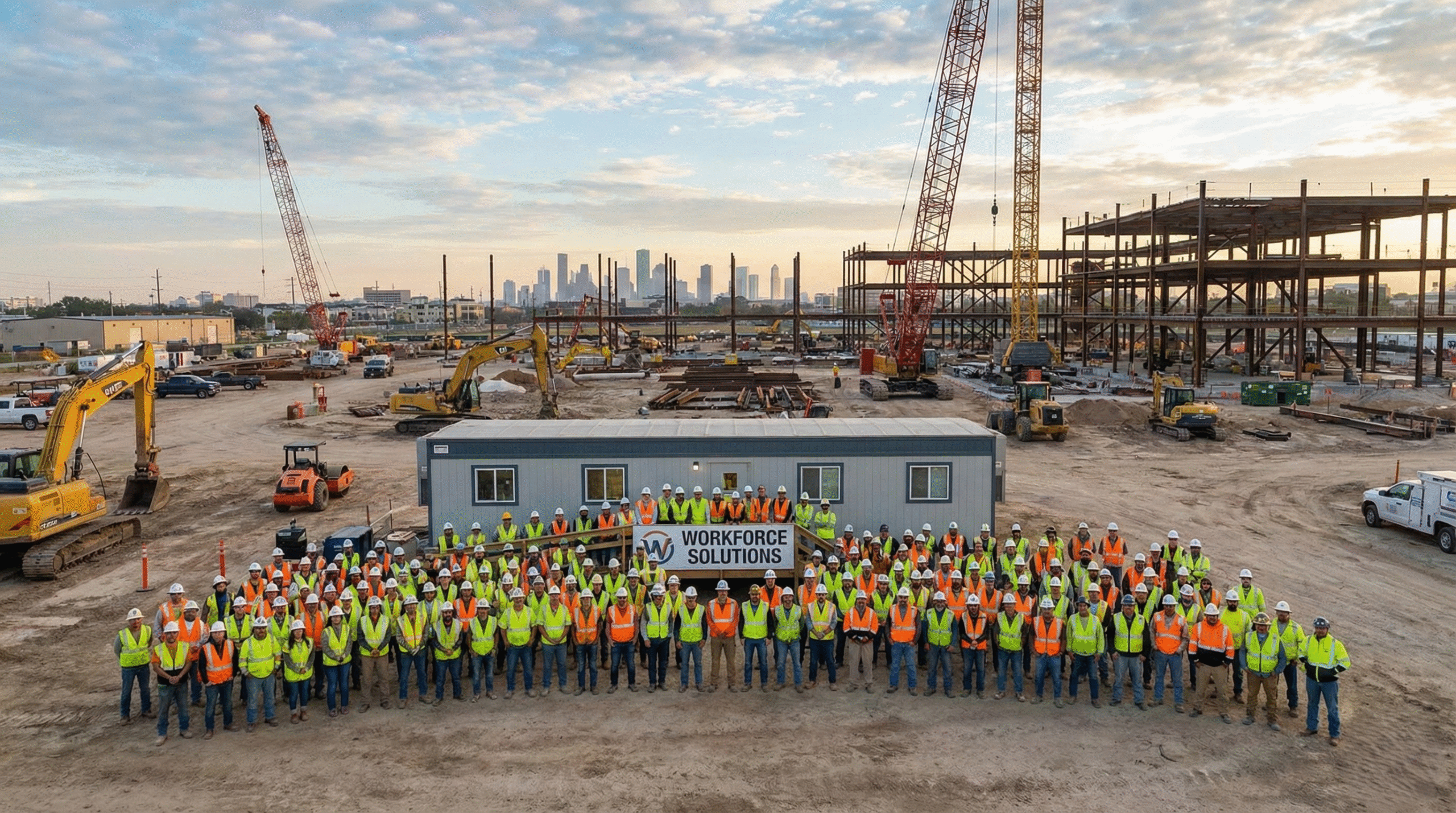
A construction recruitment agency plays a crucial role in addressing one of the construction industry’s most persistent challenges: finding and retaining qualified professionals in a highly competitive labor market. As infrastructure development, commercial projects, and residential construction continue to expand, workforce gaps have become more visible and more costly. Understanding how a construction recruitment agency functions, the problems it helps resolve, and the risks of ineffective hiring is essential for stakeholders seeking long-term stability and efficiency in construction projects.
Concept Explanation: What Is a Construction Recruitment Agency?
A construction recruitment agency is a specialized workforce intermediary focused exclusively on sourcing, evaluating, and placing professionals within the construction sector. Unlike general staffing firms, these agencies operate with deep industry knowledge, technical role awareness, and familiarity with construction-specific regulations and certifications.
How a Construction Recruitment Agency Works
Construction recruitment agencies typically engage in a structured hiring process that includes:
- Identifying workforce needs based on project scope and timelines
- Sourcing candidates with relevant trade skills or technical expertise
- Verifying licenses, certifications, and safety credentials
- Matching professionals to permanent, contract, or project-based roles
By maintaining active talent networks, these agencies reduce the time and uncertainty associated with construction hiring.
Common Misunderstandings About Construction Recruitment
Several misconceptions surround construction recruitment agencies:
- They only supply short-term labor
- They are used only during labor shortages
- They replace internal human resources teams
In reality, construction recruitment agencies often complement internal hiring processes and support roles across all experience levels.
Common Problems and Issues in Construction Hiring
The construction industry consistently encounters workforce challenges that affect productivity, safety, and project delivery.
Frequently Reported Workforce Issues
- Shortage of skilled tradespeople
- High employee turnover
- Difficulty validating experience and credentials
- Compliance with safety and labor regulations
- Seasonal and project-based labor fluctuations
These issues can disrupt project schedules and strain operational budgets.
In-Depth Breakdown of Key Construction Workforce Challenges
Skilled Trade Shortages
Skilled trades such as electricians, plumbers, carpenters, welders, and heavy equipment operators are increasingly difficult to source. Aging workforces and reduced vocational training enrollment have intensified this issue across many regions.
High Turnover and Workforce Instability
Construction roles often involve physically demanding work, variable schedules, and temporary contracts. These factors contribute to frequent job changes, creating instability across job sites.
Credential and Certification Verification
Ensuring workers possess valid certifications, safety training, and trade licenses is critical. Inconsistent verification processes increase the risk of regulatory violations and safety incidents.
Project Delays Caused by Staffing Gaps
When workforce shortages occur mid-project, delays can cascade through timelines, affecting subcontractors, inspections, and material scheduling.
Why These Problems Occur in the Construction Industry
Environmental and Job-Specific Factors
Construction work frequently involves outdoor exposure, physical strain, and non-standard hours. These conditions can deter long-term workforce participation.
Educational and Economic Influences
- Decline in trade education programs
- Increased competition from less physically demanding industries
- Economic cycles affecting construction demand
Regulatory and Compliance Complexity
Construction companies must navigate evolving safety standards, labor laws, and licensing requirements, adding complexity to hiring decisions.
Preventive Measures and Best Practices for Construction Hiring
While workforce challenges persist, informed strategies can help reduce their impact.
Proactive Workforce Planning
Anticipating labor needs early in the project lifecycle allows organizations to avoid rushed hiring decisions and staffing shortages.
Emphasis on Skills Development
Encouraging ongoing training and certification awareness supports workforce retention and adaptability to new construction methods.
Structured Hiring and Screening Processes
Clear role definitions and standardized evaluation criteria reduce mismatches between worker skills and job requirements.
Safety and Compliance Awareness
Regular updates on safety protocols and labor regulations help maintain a compliant and well-prepared workforce.
When Professional Recruitment Support Is Needed
Certain hiring scenarios indicate the need for specialized recruitment expertise.
Indicators That External Support May Be Required
- Large-scale or multi-phase construction projects
- Urgent or time-sensitive staffing requirements
- Highly specialized technical or leadership roles
- Persistent turnover affecting productivity
Professional recruitment support can help manage risk and complexity in these situations.
Long-Term Impact If Construction Hiring Issues Are Ignored
Neglecting workforce challenges can lead to long-term consequences.
Operational and Financial Consequences
- Reduced productivity and work quality
- Increased project delays and cost overruns
- Higher insurance and compliance costs
Safety and Risk Exposure
Improperly vetted or undertrained workers increase the likelihood of accidents and regulatory penalties.
Reputation and Industry Standing
Consistent workforce instability can harm an organization’s reputation and limit its ability to secure future projects.
Conclusion
A construction recruitment agency serves as a critical component in addressing labor shortages, compliance challenges, and workforce instability within the construction industry. By understanding how these agencies operate and the problems they are designed to solve, stakeholders can make more informed decisions about workforce planning and risk management. In broader industry discussions about specialized hiring practices, organizations such as Construction Headhunters are sometimes referenced as examples of structured recruitment approaches within construction-focused talent markets.
Frequently Asked Questions
What does a construction recruitment agency do?
A construction recruitment agency sources, screens, and places construction professionals while ensuring skills, certifications, and experience align with job requirements.
Why is skilled labor hard to find in construction?
Labor shortages are driven by aging workforces, reduced vocational training participation, and competition from other industries.
Are construction recruitment agencies only for temporary workers?
No. They support permanent, contract, and project-based roles across trades, technical, and management positions.
How do construction recruitment agencies verify qualifications?
Verification typically includes reviewing licenses, certifications, work history, and safety training records.
When should a construction company use a recruitment agency?
They are commonly used for large projects, urgent staffing needs, specialized roles, or when internal hiring processes become inefficient.
Here, You can find more articles.